Most witchcraft education is written for the Northern Hemisphere. The seasonal markers, harvest language and festival dates all assume a climate that is not ours. If you live in Australia or anywhere in the Southern Hemisphere, the Wheel of the Year runs the opposite way, and the dates you find in most books are about six months out.
This guide gives you the correct Southern Hemisphere sabbat dates, what each one is about, and how to practise seasonal witchcraft that matches what is happening outside your window.
Why the Wheel flips
The Wheel of the Year is a solar calendar. It follows the Sun’s apparent path, which is driven by the tilt of the Earth’s axis of about 23.4 degrees. When the Southern Hemisphere tilts toward the Sun, we have summer and the Northern Hemisphere has winter. The solstices and equinoxes are astronomical events, so they happen at the same moment everywhere. What changes is the season each one starts. The December solstice is midwinter in Britain and midsummer in Sydney. You can check the exact times for your city on timeanddate.com.
That is why the sabbats respond to the land and not to a printed date. When the Sun shifts, the land shifts, and the festivals follow it.
The Southern Hemisphere sabbats at a glance
| Sabbat | Marker | Approximate date | What it feels like in Australia |
|---|---|---|---|
| Mabon | Autumn equinox | 20 to 21 March | Heat softens, light shifts |
| Samhain | Cross-quarter | 30 April to 1 May | Cool nights, stillness |
| Yule | Winter solstice | 20 to 21 June | Longest night, retreat |
| Imbolc | Cross-quarter | 1 August | Wattle blooms, first stirrings |
| Ostara | Spring equinox | 22 to 23 September | Growth surges |
| Beltane | Cross-quarter | 31 October to 1 November | Heat builds, life force rises |
| Litha | Summer solstice | 21 to 22 December | Peak sun, long days |
| Lughnasadh | Cross-quarter | 1 February | Heavy heat, first harvest |
Dates move by a day depending on the year and your time zone, and the cross-quarter dates are traditional approximations. If you want to see how the Halloween and Beltane overlap plays out right now, our post on Halloween in Australia and Beltane covers it.
Mabon: Autumn Equinox (around 20 to 21 March)
Mabon marks the point where day and night are equal before the descent into the darker months. Energetically it is a balancing point. Harvest energy is still present, but so is preparation for contraction.
In Australia, late March carries a noticeable shift. The heat softens, the light changes, and native trees begin subtle transitions. It is a quiet turning and a checkpoint sabbat: assess what is working, and release excess before winter arrives.
Mabon supports:
- Gratitude rituals
- Financial review and consolidation
- Boundary setting
- Balancing personal energy
Samhain: around 30 April to 1 May
Samhain in the Southern Hemisphere lands in late autumn, moving into winter. It is the traditional thinning of the veil and a descent inward, and it marks the beginning of the darker half of the year. In Australia, nights cool quickly and the air carries a stillness.
Samhain supports:
- Ancestor work
- Shadow journalling
- Protection reinforcement
- Letting go of stagnant patterns
This is a reflective sabbat. Honour your lineage, clear emotional residue, and prepare for introspection.
Yule: Winter Solstice (around 20 to 21 June)
Yule is the longest night of the year, and the Sun reaches its lowest point before slowly returning. Winter in Australia can be sharp and dry depending on where you live, and it invites retreat. This is not a high output season. It is a foundational one, where quiet power builds.
Yule supports:
- Rest and restoration
- Candle rituals for returning light
- Planning long term goals
- Deep study and structured learning
Imbolc: around 1 August
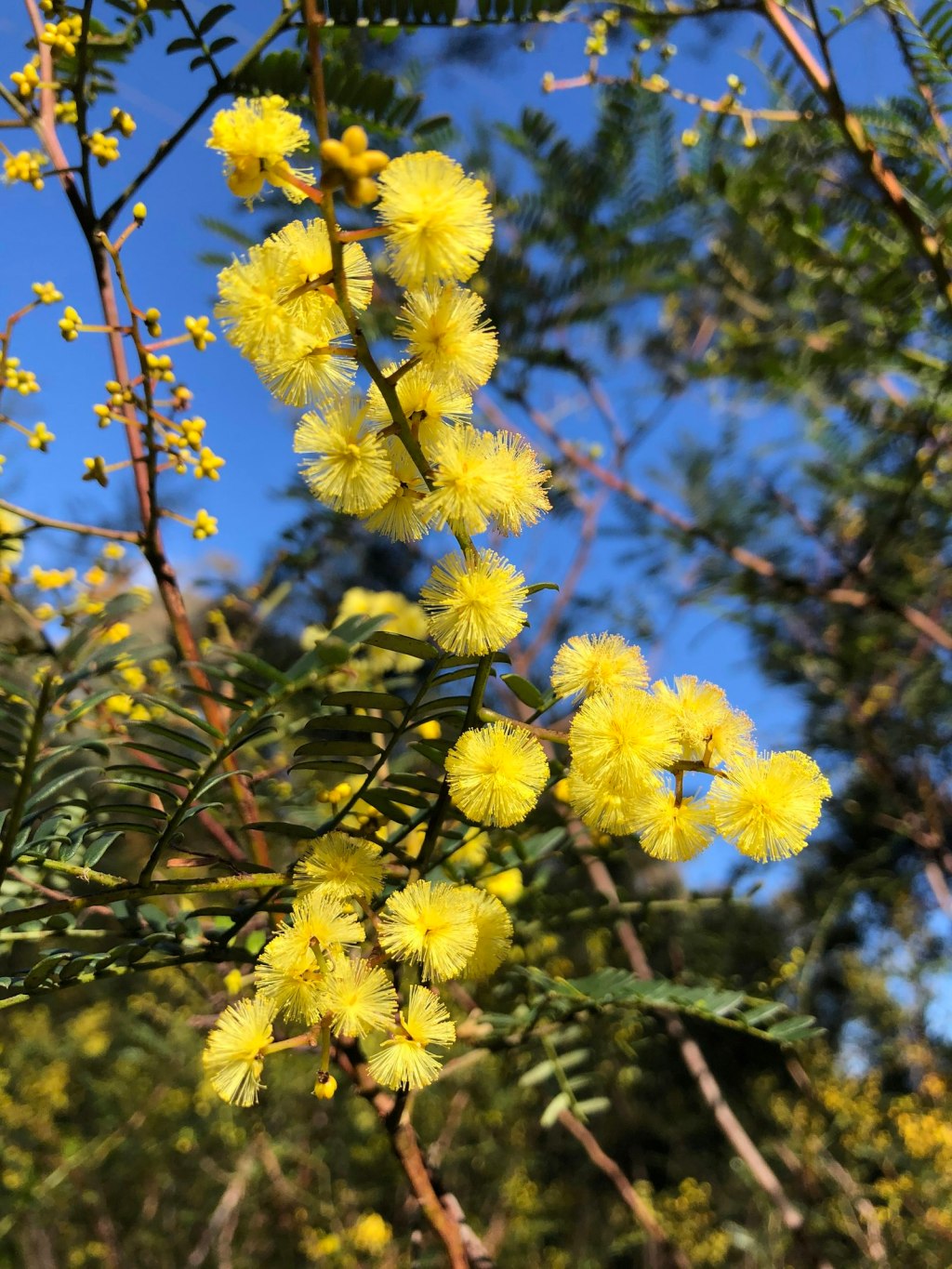
Imbolc signals the first stirring of light after winter. In Australia, August often brings early signs of change. Wattles bloom and the air begins to shift in a subtle but optimistic way. It is the first inhale after a long pause, and energetically it is renewal.
Imbolc supports:
- Cleansing rituals
- Reorganising space
- Initiating creative projects
- Clarifying intentions
Ostara: Spring Equinox (around 22 to 23 September)
Ostara is another equal day and night, but this time light overtakes darkness. Spring in Australia can feel abrupt. Growth surges, momentum returns, and action becomes easier. Energetically this is activation.
Ostara supports:
- Fertility rituals for ideas and projects
- Confidence building
- Planting literal or symbolic seeds
- Physical movement and expansion
If you want a practical way to work with it, try our new moon spell for spring, which uses a real seed and a candle.
Beltane: around 31 October to 1 November
Beltane in the Southern Hemisphere sits in late spring. This is not an autumn festival here. It is heat building, energy rising and life force increasing. It is an expressive sabbat where fire energy grows and movement speeds up. Energetically, Beltane carries vitality, attraction and creative force.
Beltane supports:
- Passion rituals
- Attraction work
- Business growth
- Celebrating embodiment
Litha: Summer Solstice (around 21 to 22 December)
Litha is the longest day of the year. In Australia it lands in peak summer: harsh sun, extended daylight and intensity. This is peak solar power and high outward energy, and it needs grounding as much as activation. It also falls in bushfire season in much of the country, so check local fire restrictions before lighting anything outdoors. The sky is busy around this date, and our December 2026 astrology guide sets out what else is happening.
Litha supports:
- Solar rituals for strength and clarity
- Charging tools in sunlight
- Leadership and visibility work
- Celebrating accomplishments
Lughnasadh: around 1 February
Lughnasadh marks the first harvest of the hot season. February in Australia often feels heavy with heat, crops ripen and energy matures. This is effort meeting outcome, a practical harvest energy, so take stock honestly.
Lughnasadh supports:
- Recognising achievements
- Financial assessment
- Gratitude practices
- Refining long term plans
Practising seasonal witchcraft in Australia
The Southern Hemisphere Wheel of the Year is not symbolic theatre. It is solar reality, so observe your own environment. Coastal climates feel different from inland heat, and tropical regions move differently from the southern states. A Wheel built for Tasmania will not match Darwin, where the seasons are usually described as wet and dry. The sabbats are not rigid performance dates. They are energetic checkpoints in a solar cycle.
Seasonal witchcraft deepens when you pay attention. Track sunrise and sunset, which you can do with the Bureau of Meteorology and timeanddate.com. Notice when birds change their behaviour. Watch which plants flower and when. Write it all down in a notebook, and if you do not yet keep one, our guide to starting a grimoire will help you set it up.
When you align ritual with the actual land you live on, your practice gains weight. The Wheel turns regardless. Your choice is whether you move consciously with it.
Related reading
If you want a second timing system to layer over the seasons, start with the moon phases in witchcraft. It works well alongside the Wheel.


Leave a Reply