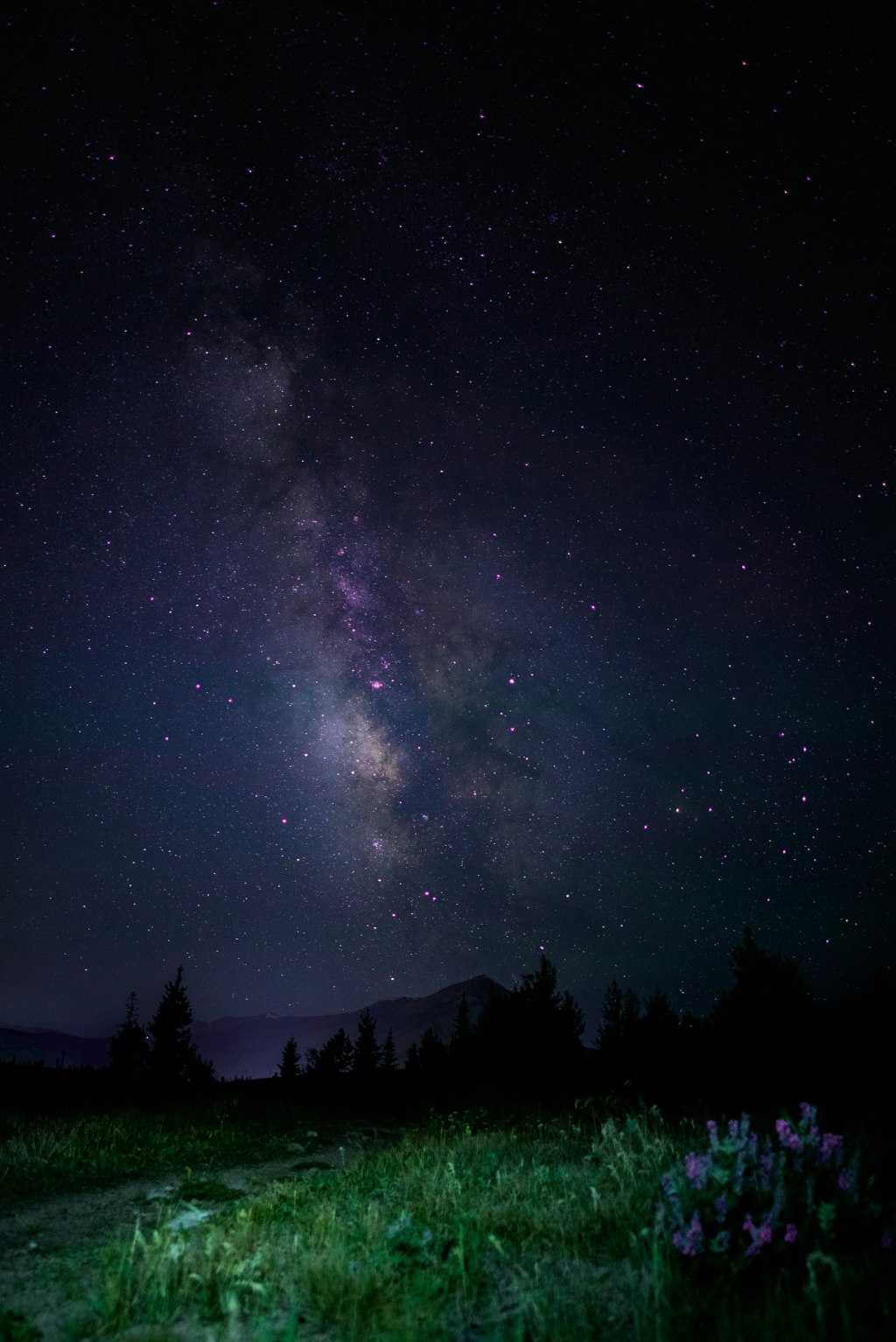
The Leonid meteor shower 2026 peaks on the night of 17 to 18 November, and from Australia it is a modest, patient kind of show best watched in the hours before dawn. This guide covers what the shower actually is, when to look from our side of the world, what to expect without the hype, and a short sky ritual you can do without a single flame.
What the Leonids actually are
The Leonids are debris left behind by Comet 55P/Tempel-Tuttle, which takes about 33 years to orbit the Sun. Each time the comet passes through the inner solar system it sheds dust and grit along its path. When Earth crosses that trail every November, the particles hit our atmosphere and burn up as meteors. The name comes from the constellation Leo, because the meteors appear to radiate from a point in the Sickle of Leo.
The Leonids have a famous history. The Royal Museums Greenwich guide to the shower notes the great storms of 1799, 1833, 1866, 1966 and 1999 to 2001, and the 1833 display has been estimated at around 100,000 meteors an hour. EarthSky reports the comet is due back in early 2031, which is why strong years cluster around its returns.
Leonid meteor shower 2026: dates and timing for Australia
The shower is active through most of November (Royal Museums Greenwich gives 6 to 30 November). The predicted peak is around 0 UTC on 18 November according to EarthSky, while Star Walk gives 23:45 GMT on 17 November. Converted to eastern Australian summer time, that lands at roughly 10:45 to 11:00 am AEDT on 18 November, which is broad daylight. That conversion is mine, so check it against timeanddate.com for your own city.
Because the exact peak falls in our daytime, the practical advice is to watch in the dark hours before dawn on 18 November, and also try the mornings either side. EarthSky says the radiant rises around midnight and sits highest at dawn. Leo lies north of the celestial equator, so from southern Australia the radiant climbs less high than it does for northern observers, which tends to mean fewer and shorter-looking meteors. This is general sky geometry, not a forecast for any specific location.
Realistic expectations and the Moon
Forecasters are not expecting a storm this year. Published rates are about 10 to 15 meteors an hour under a dark sky with no Moon. The first quarter Moon falls on 17 November (11:48 UTC, which is 10:48 pm AEDT that evening), so moonlight will wash out the early part of the night and reduce what you see. Sources differ slightly on the exact moonset time, but it sets around or before midnight, which leaves a darker sky from the late hours to dawn.
That means the best plan is a late alarm, not an early evening. Aim for roughly 1 to 4 am local time, find the darkest spot you safely can, and give your eyes at least 20 minutes to adapt. A few bright Leonids are famous for being fast and sometimes leaving brief glowing trails, so patience is rewarded even in a quiet year. If you enjoyed last week’s sky watching, our Taurid meteor shower guide covers a slower, fireball-prone shower that is still active now. You can read more detail from the Royal Museums Greenwich Leonid guide and EarthSky.
The symbolism practitioners bring to meteors
This section is interpretation, not astronomy. Many practitioners treat a meteor as a moment of sudden, unscheduled contact: something burns bright and gone in a second, so it asks you to be awake for it. Leo is a fire sign, and the Leonids arrive three days after Mercury and Venus station direct on 14 November. If you like to work with timing, that makes the Leonid window a natural place to ask what has restarted for you and what you want to say plainly now that the pause is over.
The mechanism behind a sky ritual is simple. Lying still, looking up and waiting for something you cannot control trains attention and receptivity. You are rehearsing the skill of noticing a fleeting prompt, which is the same skill you use when reading omens, reading cards or catching a hunch before it passes. The stream of dust is an ally in that practice, arriving on its own schedule from a comet that last passed through decades ago.
A flame-free Leonid sky ritual
You need a rug or reclining chair, warm layers, a thermos, a dim red torch and a small notebook. Choose a clear night, set your alarm for the early hours of 18 November and settle in a safe, open spot facing roughly north-east, where Leo rises, with your torch off. Before you start looking, say one question or intention quietly, keeping it short and specific, such as what you are ready to restart or say out loud. Then simply watch without trying to force an answer. Each time a meteor streaks past, take a slow breath and note the first word, image or feeling that arrives, without judging it, and jot it down by red torchlight before the next one comes. When the sky begins to lighten or you are too cold to continue, thank the sky aloud, read back your notes once and close by pouring a little of your warm drink onto the ground as an offering, away from any plants you care about. Sit with the notes over the following few days and see which phrases keep returning.
Safety notes for Australian conditions
This ritual is deliberately flame-free. November is bushfire season across much of Australia, so avoid candles, incense or fires outdoors, and check your state fire service for fire danger ratings and total fire bans before you head out. Let someone know where you are going, take a phone, and carry water. Use insect repellent, wear closed shoes and watch where you step, since snakes, ants and uneven ground are all active in warm weather. Do not drive tired after a late or very early session, and avoid private property or closed reserves. If you pour out a warm drink, plain water or weak herbal tea is best, and keep it away from native plants and waterways. None of this ritual makes any health claim, and it is not a substitute for medical care.
Quick recap for the Leonid meteor shower 2026
The shower is expected to peak around 17 to 18 November, with the best Australian viewing in the dark hours before dawn on 18 November. Expect around 10 to 15 meteors an hour at best, reduced by the first quarter Moon, with no storm forecast. Go late, go dark, stay safe and write down what you notice. Quiet years are still worth it, because the point of the practice is the watching.


Leave a Reply