Learning how to make a poppet is one of the more satisfying bits of hands-on craft in witchcraft, because you end up with a small, tangible figure that holds your attention on one thing. A poppet is a doll or figure made to stand in for a person, usually yourself, so that your working has somewhere to land.
This guide covers where poppets come from, why the idea works, and a safe modern method using cloth, thread and dried herbs. It is deliberately a self-focus or consenting-person project. There are no pins and no harm-directed work here.
What a poppet actually is
The word “poppet” is a variant of “puppet”, from Middle English popet, which meant a small child or a doll. In everyday British English it is still a term of endearment. In witchcraft it names a figure that represents someone.
Effigies are old and widespread, and I will not pretend every culture’s version shares one origin. What we can document is the English folk and trial record. At the Salem trials, testimony in 1692 described “puppets” found in the wall of Bridget Bishop’s cellar, said to be made of rags and hog’s bristles with headless pins in them. You can read that account in the University of Virginia’s Salem archive. Note that this is evidence presented against an accused woman, not proof of what she did. We covered the wider history in our post on the Salem witch trials.
The Museum of Witchcraft and Magic in Cornwall catalogues poppets in its collection, including cloth dolls and figures made from knotted string, which shows how varied the form has been. Browse their poppet records if you want to see real examples, though be aware some are catalogued under curses.
Why a poppet works as a ritual focus
The mechanism is representation. Humans respond strongly to figures that stand for something: we talk to dolls as children, we leave flowers at memorials, we hold photographs. A poppet uses that same habit. When you make a figure and decide it stands for you, everything you do to it carries meaning, and your attention stays fixed on a single object.
Practitioners describe this as sympathetic magic, the idea that likeness creates a link. Whether you read that literally or as a psychological anchor is up to you. Either way, the practical effect is the same: a made object gives an intention weight and a place to rest, and the hours of stitching are themselves part of the working.
Choosing your materials
Keep the build simple. You need two pieces of natural cloth about 15 cm tall each (cotton or linen is easiest to sew), natural thread, a needle, small scissors, and a stuffing of plain cotton wool or wool fibre mixed with dried herbs.
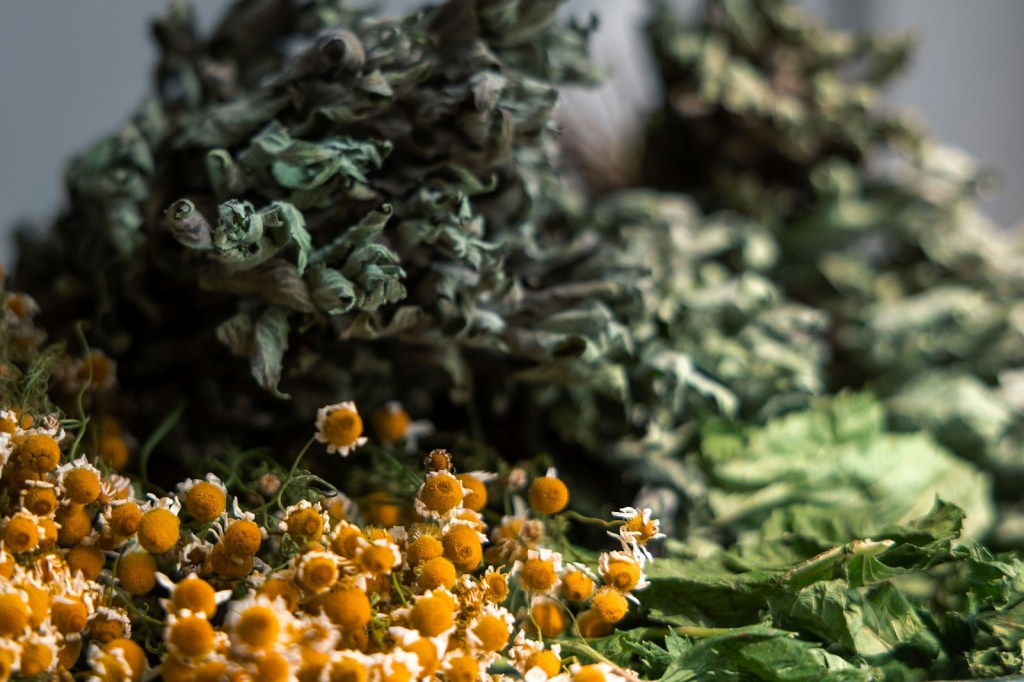
Choose herbs for their character. Lavender is a calm, soft ally for settling and rest. Rosemary is sharp and clear, and suits memory and focus. Chamomile is gentle and domestic. Rose petals bring warmth and self-regard. Use one to three herbs, fully dried, because damp plant matter can go mouldy inside a sealed figure. If you want to buy dried herbs, Mountain Rose Herbs is a US supplier many practitioners use. Australian biosecurity rules and shipping apply to US orders, so check the Department of Agriculture before you buy, or simply dry your own garden rosemary and lavender.
When to make one
A poppet suits a slow, intentional season. Mercury is retrograde in Scorpio until 14 November, which is a decent stretch for careful handwork and for finishing things rather than starting loud new projects. The new moon on 9 November is a natural point to begin, and our Scorpio new moon guide covers the timing in AEDT. Spring in the southern hemisphere also makes fresh herbs easy to harvest and dry for next time.
Making the poppet
Begin by choosing one clear purpose, such as steadiness through a busy fortnight, and say it aloud once. Cut a simple gingerbread-style outline from your two pieces of cloth, pin them together with ordinary sewing pins only while stitching, and sew around the edge with small, even stitches, leaving a gap at the head or side. As you sew, keep your purpose in mind and let your breathing set the pace. Remove every sewing pin before you fill the figure. Mix a small handful of cotton wool with a teaspoon or two of your dried herbs, rubbing the herbs between your fingers so they are crushed and soft, and tell each herb in a sentence what you are asking of it. Feed the stuffing through the gap with a chopstick or the blunt end of a pencil, pressing it into the arms and legs first, and stitch the gap closed with a final knot. Hold the finished poppet in both hands, name it for yourself or for the consenting person it represents, and say your purpose once more in plain words. Keep it on your altar, in a drawer, or beside your bed, and when the purpose is met, thank it, open the seam, and return the stuffing to the garden or compost and the cloth to the rag bag.
If you like to anoint your tools, our guide to making anointing oil pairs well, though keep any oil off the cloth near flame.
Safety and ethics
Never use a poppet to harm, hinder or control another person. Make one only for yourself or for someone who has agreed to it, and keep it free of pins and sharp objects once finished, since a pin left in stuffing can injure hands, children and pets. Sew in a well-lit space and put the needle somewhere safe between stitches.
Keep the finished poppet away from open flame, candles and incense, as dried herbs and cotton wool ignite easily. Keep it out of reach of pets and small children: stuffing and dried herbs are a choking hazard, and some herbs can upset animals if chewed or eaten. Use only fully dried plant material, use herbs you can identify with certainty, and avoid anything you know irritates your skin or triggers allergies. A poppet is a focus for your intention. It is not medical treatment, and nothing here is a health claim. If you are unwell, see a health professional.
Questions people ask
Is a poppet the same as a voodoo doll? They are related ideas in the broad family of effigy magic, but they come from different traditions and the terms are not interchangeable. This guide describes the English folk craft word and a gentle, self-focused use.
Can I make one without sewing skills? Yes. Wrap herbs in a square of cloth, tie it with thread into a head and body, and it counts. The care matters more than the stitching.
How long should I keep it? Until the purpose is met or the figure feels finished, often a lunar month or a season. Then dismantle it respectfully as described above.
Made slowly and with a clear purpose, a poppet gives your intention a body to rest in. If you want a smaller version of the same idea, try a spell sachet.


Leave a Reply