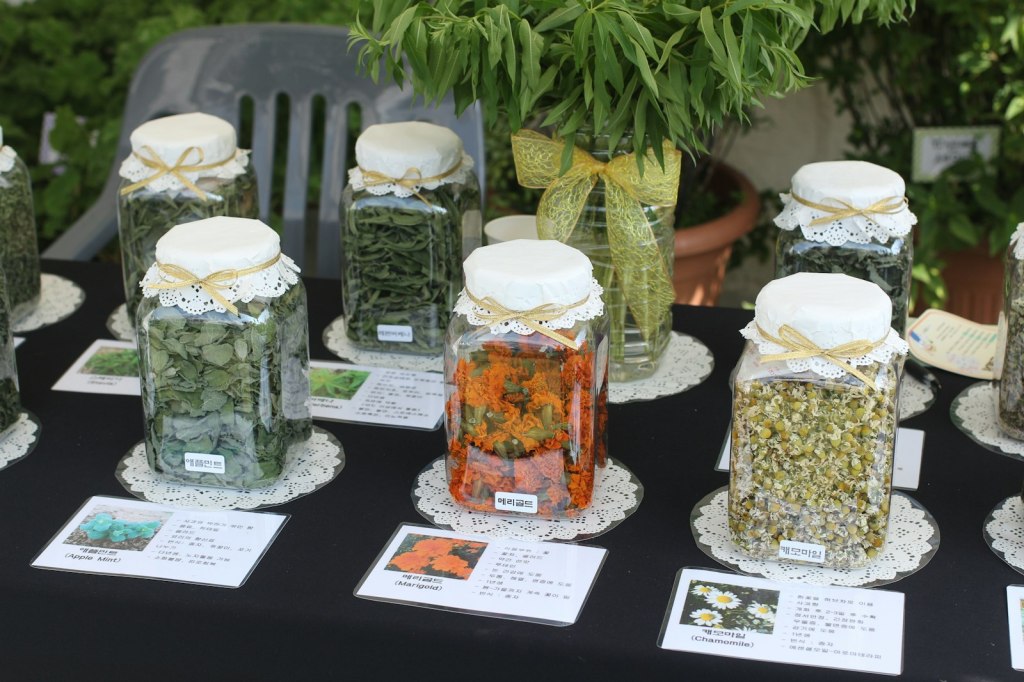
Learning how to make anointing oil is one of the most useful skills a practitioner can pick up, because a single jar of scented oil can mark a candle, a doorframe, a charm bag or your own hands as set apart for a working. This guide covers where anointing comes from, why oil suits the job, and a safe method using dried herbs.
A short history of anointing
Anointing is far older than modern witchcraft and belongs to many religious traditions. Britannica describes chrism, the consecrated oil of the Greek and Latin churches, as a mixture of olive oil and balsam, used in rites such as baptism, confirmation and ordination. It also notes the link to the anointing of kings and priests in the Old Testament. You can read the summary in Britannica’s entry on chrism.
The shared idea across these traditions is simple. Oil is applied to something to mark it as different from the ordinary. Witchcraft borrowed the gesture, and many practitioners use it to dress candles, tools and talismans. There is no single historical recipe that all witches followed, so treat any claim of an ancient secret formula with suspicion.
Why oil works as a ritual medium
Oil does three practical things. It holds scent, which gives your senses a consistent cue that a working is beginning. It carries plant material slowly, so the jar becomes a small record of time and attention. And it needs to be applied by hand, which slows you down and makes the act deliberate.
That last point matters most. The mechanism is attention. When you touch a candle with oil and name what it is for, you have paused long enough to be clear about your intention. The herbs are allies in that process, each with its own character. Rosemary is sharp, resinous and a little bossy. Lavender is softer and tends to settle the room. Together they make a blend that suits protection, clarity and calm.
Choosing your oil and herbs
For the carrier, use a plain, fresh oil you would be happy to put on your skin. Jojoba is stable and has a long shelf life. Sweet almond oil is lighter, though avoid it if anyone handling the oil has a nut allergy. Olive oil works well and is easy to find, but it carries a stronger scent of its own.
For the plants, use dried herbs only. This is the key safety choice. Fresh herbs hold water, and water mixed into oil can allow spoilage organisms to grow. The Penn State Extension guidance on how to safely make infused oils explains that herbs are low in acid and can carry Clostridium botulinum spores, which can grow in the oxygen-free environment oil creates. It recommends that fresh herbs in oil be refrigerated and used within 2 to 4 days, while dried herbs in oil can be refrigerated for up to 3 months.
This blend uses two tablespoons of dried rosemary and one tablespoon of dried lavender buds to about one cup of carrier oil. If you need to buy dried herbs, Mountain Rose Herbs in the US is a well-known supplier, and a local Australian herb shop is often easier. If you order from overseas, check the rules first, because Australian biosecurity requirements and shipping conditions apply to plant material. The Department of Agriculture has the current guidance.
The method
Start with a clean, completely dry glass jar with a tight lid. Any moisture left inside works against you, so wash it, dry it, and let it air for a few hours. Crush the dried rosemary and lavender gently in your palm to release the oils in the leaves, then drop them in the jar and pour the carrier oil over them until the plant material is fully covered with at least a finger’s width of oil above it. Stir with a clean, dry spoon, seal the jar, and label it with the contents and the date. Place the jar somewhere warm but out of direct sun, such as a shelf above a sunny window, and shake it gently once a day for two weeks. Spring warmth in the southern hemisphere suits this well, but avoid hot spots like a car dashboard or a windowsill in full afternoon sun. When the time is up, strain the oil through a clean muslin cloth or a fine coffee filter into a dark glass bottle, squeezing out the last of it, and discard the herbs. Make sure no plant fragments remain. Label the bottle with the date, store it in the fridge, and use it within three months.
Using the oil in a working
Anointing oil is applied lightly. Put a very small amount on your fingertips and, holding your intention, rub it along a candle from the middle up towards the wick and then from the middle down towards the base, or around the edge of a charm bag, a stone or a doorframe. A thin film is plenty. Use it to mark the sachets you sew, as described in our guide to making a spell sachet, or to dress the tools on your altar before a seasonal working. If you also burn herbs, the loose blend in our post on how to make incense pairs well with the rosemary and lavender scent.
A simple anointing, written as one continuous working: sit with the object in front of you and breathe until your hands feel steady. Say aloud what the object is for, in one plain sentence. Touch a drop of oil to your fingertips, tell the oil what it is being asked to do, then draw it across the object slowly while repeating your sentence. When the whole surface is marked, rest your hand on it for a few breaths, thank the herbs for their part, wipe your fingers on a cloth, and put the object where it will do its work.
Safety section
Read this before you start. Oils and flames need respect.
Use dried herbs only, store the finished oil in the fridge, label it with a date, and throw it out after three months or sooner if it smells off, looks cloudy or shows any mould. Do not make this oil with fresh herbs, garlic or any other fresh plant matter.
This oil is for ritual use on objects and, in a tiny amount, on intact skin. It is not food and it is not for swallowing. Do a patch test first by dabbing a small amount on the inside of your forearm and waiting 24 hours. Avoid broken skin, eyes and mucous membranes. Rosemary and lavender are common allergens for some people, so skip this recipe if you know you react to either. If you are pregnant, nursing, or have a medical condition, check with a health professional before putting any herbal preparation on your skin. Nothing in this post is a health claim.
Keep the oil away from pets and children. Cats in particular are sensitive to many plant oils, so do not put this on or near an animal, and keep it out of reach.
Oil burns. When you dress a candle, keep the wick completely clean and dry, use only a light film, and never put oil near the flame. Wash your hands before you light the candle, because oil on your fingers can catch. Burn candles in a holder on a stable, heatproof surface, never leave them unattended, and keep them clear of curtains, paper and dried herbs. Oil-soaked cloths and paper towels can be a fire hazard, so wash used cloths and do not leave them in a pile.
Keeping it simple
A small jar made once and used steadily is better than a cupboard of half-finished experiments. Make one blend, use it for a month, and note in your grimoire what you used it for and how it felt. If the scent starts to bother you, stop using it. The oil is only a tool for attention, and the attention is yours.


Leave a Reply