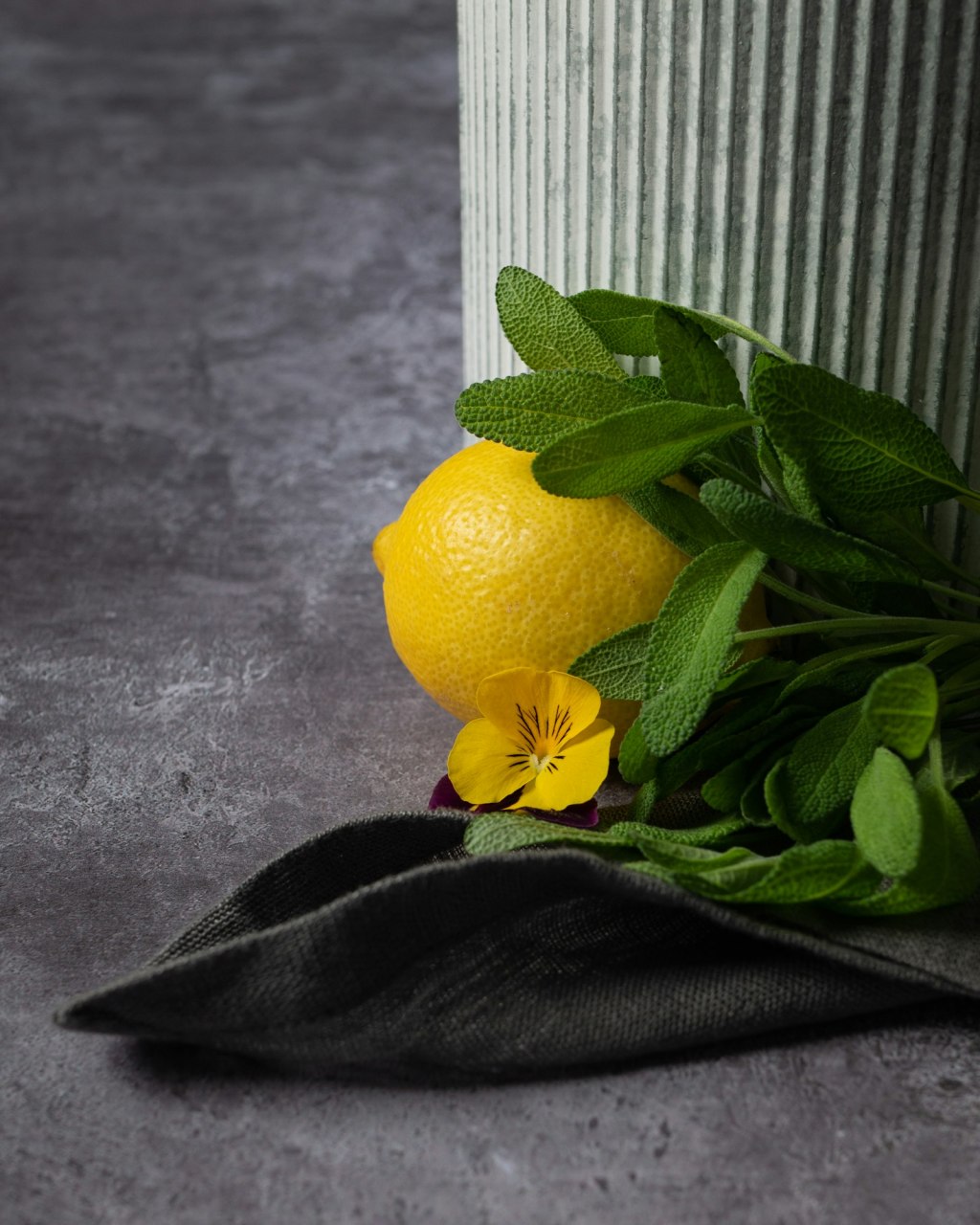
A herbal floor wash is one of the oldest and most practical ways to bring your witchcraft into the everyday work of keeping a home. It is a bucket of water, a simmered herbal tea and a mop, used with intention. This guide covers where the practice comes from, why it works, a safe recipe you can make with kitchen and garden herbs, and the floor and pet warnings that most recipes skip.
Where the Herbal Floor Wash Comes From
Floor washes are a staple of hoodoo, the African American folk magic tradition, where they are used to clear unwanted influence from a home or business, or to draw luck, customers or love. According to a conjure practitioner’s overview of floor washes, Florida Water is commonly used as a floor wash, and a ritual washing typically begins at the back of the premises and finishes at the front doorstep, with extra time spent scrubbing the doorway. For a building with more than one storey, the same source describes washing from the top floor down.
The same page notes that in old New Orleans, ingredients such as urine and red brick dust turned up in floor washes. You will be relieved to know that nothing like that is needed here. Modern practitioners work with brewed herbs, and the tradition is easy to adapt as long as you respect where it came from and keep the safety side sensible.
Why a Floor Wash Works
Start with the mechanism, because it explains every choice in the recipe. Floors are the one surface in a home that everyone crosses, over and over. Shoes carry in the street, the day and everyone else’s business. Mopping is slow, repetitive and physical, and that rhythm gives you a long stretch of focused attention on the shape of your own home. The herbs bring their own character to that attention. Rosemary is sharp, upright and clearing. Sage is dry and watchful. Lemon peel is bright and a little bossy. Working with them as allies means you are asking each one for something specific, not sprinkling them about for decoration.
There is also a plain practical truth that every good practitioner repeats: the physical clean comes first. A spiritual wash laid over a dirty floor is just a perfumed puddle. Sweep or vacuum before you start, and use your normal floor cleaner in the bucket. The herbal tea is the intention and the ally. The detergent does the dirt-removal work.
Safety First: Floors, Pets and Everything Else
Know your floor. Many floor wash recipes online add vinegar or lemon juice. Consumer advice from Which? is that neither vinegar nor lemon juice should go on natural stone, and that acids can eat into the finish on timber floors. For that reason this recipe uses lemon peel steeped in water and no juice, and it asks you to test a small hidden patch first. If you have marble, limestone, travertine, slate, unsealed timber or waxed boards, use plain warm water with a cleaner made for your floor type and do the herbal part another way, such as a small bowl of the cooled tea placed near the door.
Keep essential oils out of it if you have cats. The veterinary charity PDSA states that most essential oils are toxic to cats and advises against using them for cleaning, because cats rub against surfaces and then groom their fur. That includes oils people often add to washes, such as citrus, eucalyptus and pine. This recipe uses whole herbs and no essential oils.
You can read the full advice on the PDSA page about cats and essential oils. Beyond that:
- Strain every scrap of plant matter out of the liquid, so there is nothing for a pet or toddler to chew.
- Keep pets and small children off the floor until it is completely dry, and keep the bucket out of reach.
- Let the tea cool before it goes into the bucket. Simmering water scalds.
- Never mix your wash with bleach or any other cleaning product beyond your usual floor cleaner. Mixing cleaning products can release harmful fumes.
- Wet floors are slippery. Mop in socks with grip or bare feet only if your floor allows it, and put a wet floor sign or a chair across the doorway if others are home.
- Ventilate the house while you work. In a hot Australian summer this is easy, so open the doors and windows.
What You Need
- 1 litre of water
- A small handful of fresh rosemary sprigs, or about 2 tablespoons dried
- 1 tablespoon of sage leaves, fresh or dried
- The peel of one lemon, in strips, with the juice kept for the kitchen
- A saucepan with a lid, a fine sieve, a mop and a bucket
- Your usual floor cleaner, suitable for your floor type, plus about 5 litres of warm water for the bucket
Rosemary and sage grow happily in most Australian gardens and pots, and if you dried a batch earlier this spring, the guide to drying herbs for spellwork in humid Australian summers will help you keep them in good shape. If you need to buy dried herbs, suppliers such as Mountain Rose Herbs are in the United States, so Australian biosecurity rules and shipping costs apply to any order, and you should check the requirements on the Department of Agriculture website before you buy. Local herb shops and nurseries are usually the simpler route.
How to Make the Herbal Floor Wash
Sweep or vacuum the whole floor first, then test the finished wash on a small hidden patch and let it dry to check for dulling or marks. To make the tea, bring the litre of water to a gentle simmer, add the rosemary, sage and lemon peel, put the lid on, turn the heat off and let everything steep until the liquid has cooled right down, which usually takes an hour or so. Strain it through the fine sieve into the bucket, thank the herbs for their work, and return the spent plant matter to the compost or garden rather than the bin. Top the bucket up with about five litres of warm water and a squirt of your normal floor cleaner, and give it one slow stir.
A Simple Mopping Working
Stand at the back of the house with the mop in the bucket and say aloud what you are asking for, in plain words, for example that this home be clear, settled and easy to live in. Begin at the rear of the house and mop towards the front door in slow, overlapping strokes, speaking to the rosemary and sage as you go and asking them to gather up whatever does not belong and carry it out with the dirty water. If you are following the more common pattern, you push towards the exit, and some practitioners reverse the direction when they want to draw something in, so choose the direction that matches your aim and keep it consistent. Spend longer at the doorway, since that is where the house meets the outside, and when you finish, tip the used water out the front door or down the outside drain and not into the garden beds, because it contains detergent. Rinse the bucket, hang the mop in the sun to dry, and finish by opening the windows and letting the air move through for a few minutes.
When to Use a Floor Wash
People most often reach for a floor wash after a house move, after a run of arguments or illness, before hosting a gathering, or at a seasonal turning point. In the Southern Hemisphere, the lead-up to summer is a natural fit, with the windows open and the heat making the house feel like it needs a good reset. Many practitioners also like to do it on a waning moon for clearing, or a waxing moon for drawing in. That timing is tradition and personal preference, and the wash works at any time you need it.
Keep a note of what you used, how the floor responded and how the house felt afterwards in your grimoire. A recipe you have adjusted for your own floors, your own pets and your own garden herbs is worth far more than one copied from a list.
Common Questions
Can I use essential oils instead of whole herbs? Only if you have no cats or other pets that could be affected, and even then use them sparingly and wipe the floor with plain water afterwards. Whole herbs are the safer choice for most homes.
Can I store leftover tea? Plain herbal tea goes off quickly in warm weather, so make it fresh on the day and use it the same day.
Is this a substitute for cleaning? No. The ritual rests on a clean floor, and the intention goes in alongside your normal cleaning.
This article is for folklore and craft interest only and makes no health claims. Test products on a hidden patch, follow the instructions on your floor cleaner, and speak to a vet if you are concerned about a pet’s exposure to any cleaning product.


Leave a Reply