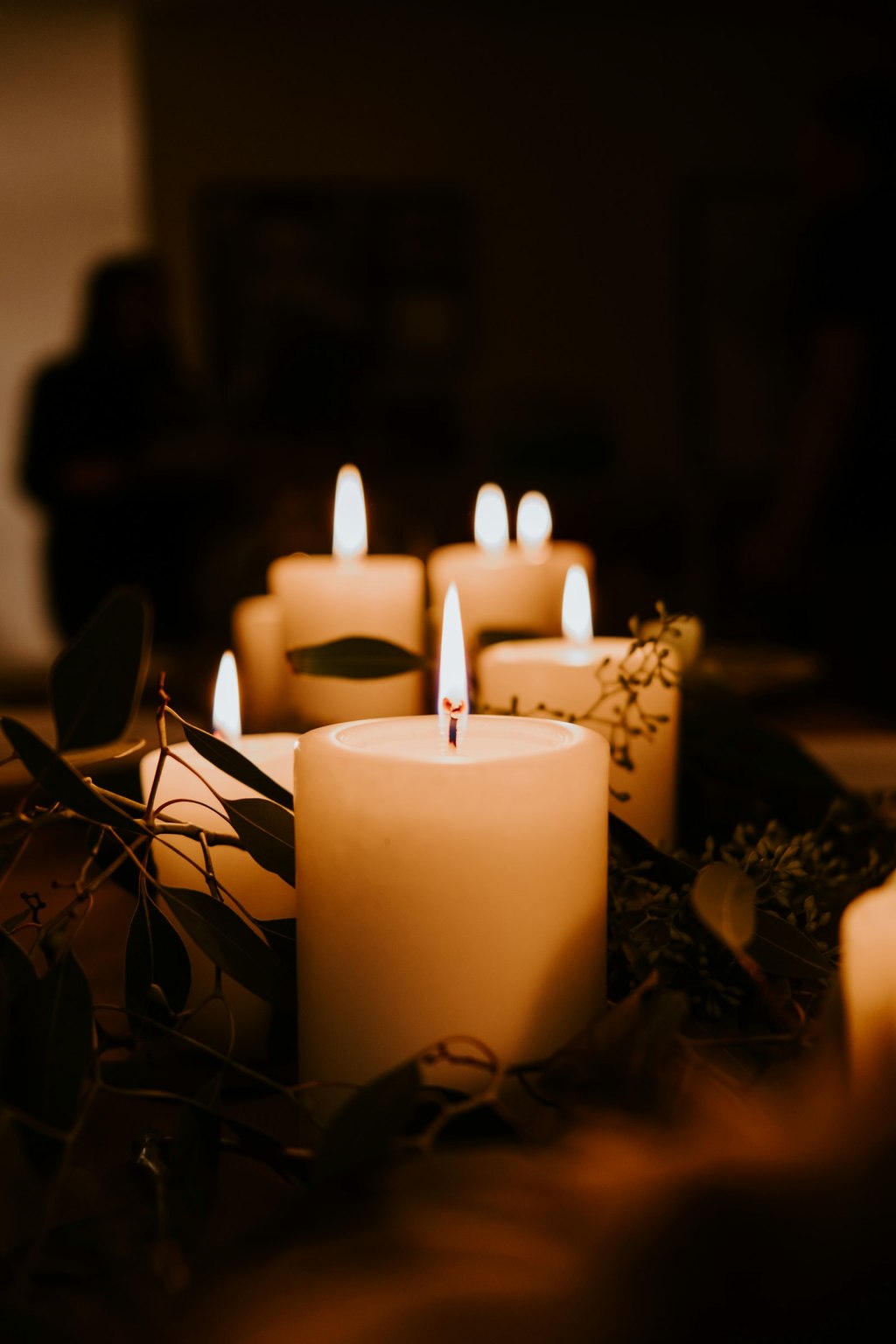
Learning how to set up an altar is mostly a matter of choosing one small, stable place and deciding what lives there. You do not need a dedicated room, a carved table or a shopping list. A windowsill, a shelf or the top of a bookcase will do, as long as it is yours and it stays put.
What an altar actually is
Britannica describes an altar, in religion, as a raised structure or place used for sacrifice, worship or prayer, and notes that altars probably began where a tree, spring or rock was regarded as holy or inhabited by spirits. That is the useful part for a modern practitioner. An altar is a place set apart, and the setting apart is what does the work.
Altars in witchcraft vary a great deal. The Museum of Witchcraft and Magic holds a double cube altar built to designs published by Aleister Crowley, which the museum links to its founder Cecil Williamson’s ritual use. Most home altars look nothing like that. They are a cluster of meaningful objects on a flat surface, and that is a perfectly good altar.
Why a fixed place helps your practice
Mechanism first. A practice that happens in the same spot, with the same few objects, becomes easy to begin. You walk up, light the candle, and your attention settles because the place has been associated with settling. This is ordinary habit formation, and it is a large part of why people find altars useful. Whatever else you believe is happening, the cue is real.
It also gives your working a home. A spell jar, a charm bag or a bowl of offerings has somewhere to rest while it does its slow work, rather than migrating around the kitchen bench. If you want to make one of those, our guide to how to make a spell jar sits well beside this one.
Choosing the spot
Pick a surface that is out of the way of pets, children and passing elbows, and away from curtains, open windows and anything that draughts. Stability matters more than beauty. A flame on a wobbly shelf is a poor idea, and a shelf you are afraid to bump is a shelf you will avoid using.
Direction is optional. If you want to orient your altar, remember that in the southern hemisphere the midday sun sits in the north, so many Australian practitioners place fire in the north and flip the traditional northern layout. Others ignore compass points and arrange by what is true on their own land: where the sun rises, where the weather comes from. Both are legitimate. Choose one and stay consistent.
What to put on it
Start with fewer objects than you think you need. A useful minimum is a candle in a proper holder, something that stands for the earth such as a stone or a small dish of dried herbs, something for air such as a feather or a stick of incense, something for water such as a small bowl, and one object that is personal to you. That personal item is the anchor. It might be a photograph, a shell from a beach you love or a fragment of bark from a tree you know.
Treat the materials as allies with their own character. Rosemary is sharp and clearing. Lavender is soft and slow. Eucalyptus leaf has a bright, medicinal bite and is native to this continent, which makes it a natural fit for an Australian altar. Learn what each one is like before you ask it to join in. Our beginner guide to tools for practising witchcraft covers which basics are worth owning and which you can skip.
Safety on your altar
An altar combines flame, dried plant matter and small objects, so a few firm rules apply.
Fire and Rescue NSW notes that many residential fires it attends each year are caused by unattended candles. Its advice is to never leave candles unattended or where they can fall or ignite flammable items, to keep them on a secure base away from open windows, and to extinguish them whenever you leave the room and always before bed. Keep matches and lighters out of reach of children, and test your smoke alarms monthly. Use heatproof holders, and keep dried herbs, paper and fabric well clear of the flame.
Be careful with plants and pets. Eucalyptus and many essential oils can be harmful to cats, dogs and birds if chewed or licked, and smoke can irritate birds in particular. If you share your home with animals, keep leaves, oils and resins out of reach and burn incense only in a ventilated room, or skip it. Never pour salt onto soil or around garden plants, as it can damage them. Wash your hands after handling dried herbs and resins, and do not eat or drink anything from your altar. This guide makes no health claims; an altar is a space for practice, not a treatment.
A simple altar setting-up working
Choose a quiet time, ideally around a new moon or at the start of a season, and wipe your chosen surface clean with a damp cloth so that you begin with bare wood or stone. Lay down a small cloth or leave the surface bare, then place your anchor object at the centre and say aloud what this place is for, in plain words, such as that it is where you come to pay attention. Set the candle in its holder to the north if you are following the southern layout, or wherever suits your space, and place the stone, bowl and feather around it in whatever arrangement feels settled to you. Light the candle, sit for a few minutes with your hands resting on your knees, and let the room go quiet. When you are ready, thank the materials for being there, snuff the flame with a snuffer or a wet fingertip rather than blowing, and leave everything in place until you next return.
Keeping the altar alive
An altar that never changes becomes furniture. Dust it, replace dried herbs when they fade and change the arrangement with the season. In the southern hemisphere you are moving into spring now, with Beltane arriving on 31 October, so fresh flowers or new green growth may be more fitting than the heavy autumn objects you might see in northern guides. If the date confuses you, read our piece on why 31 October is Beltane down here.
Visit it regularly, even for two minutes. Use it for small things: lighting a candle before a tricky conversation, setting down a worry, marking the moon phase. The goal is familiarity, not performance.
Where to find supplies
Local Australian crystal shops, nurseries and markets are the easiest places to source candles, holders, stones and dried herbs. If you order from overseas suppliers such as Mountain Rose Herbs or Lucky Mojo, remember that Australian biosecurity rules and shipping costs apply to US orders, and plant material in particular may be restricted. Check the Department of Agriculture website before you buy.
Start small and keep it yours
You can set up an altar in an afternoon and spend years refining it. Begin with a clean surface, a candle in a safe holder and one object that matters to you. Everything else can be added as you learn what you actually use.


Leave a Reply