Witches have been on screens and stages for a long time, and the image changes depending on who is telling the story. The same character can be a villain, a comic neighbour, a teenage rebel, or a misunderstood outsider. This post is a short tour of the big moments, with dates you can check, and a look at what each phase says about the culture that produced it.
The green-faced villain: The Wizard of Oz, 1939
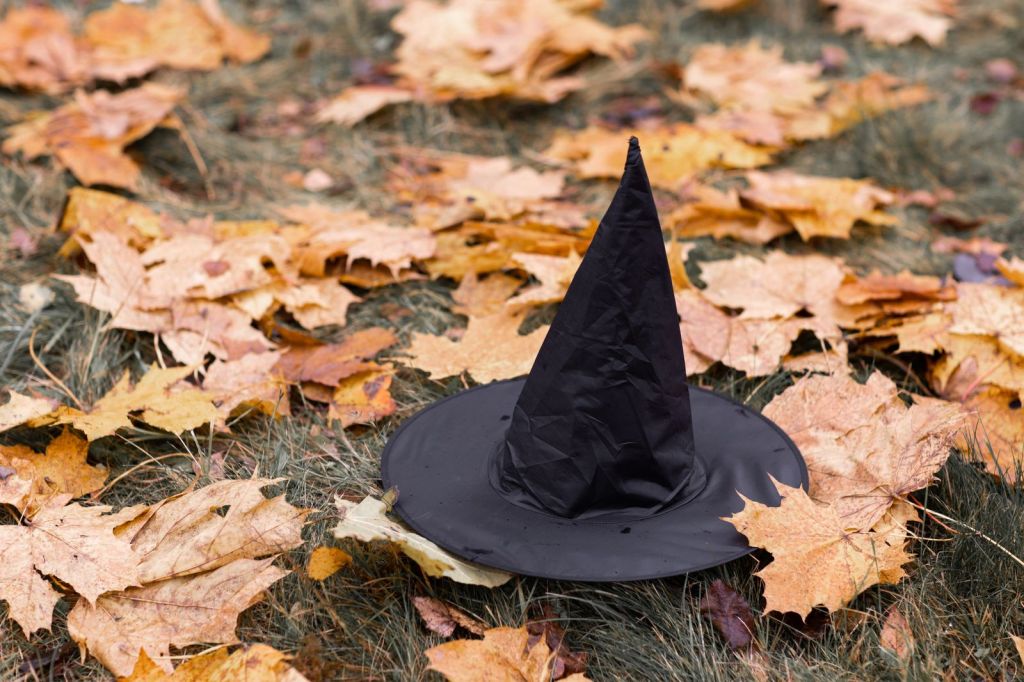
The film adaptation of The Wizard of Oz put the Wicked Witch of the West on screen in 1939, with green skin, a black hat and a cackle that became shorthand for the whole idea. It is the template many later screen witches either follow or push against. The pointed hat and broomstick image itself is much older, drawn from European folklore, woodcuts and witch trial imagery, and you can see how the image developed in the collection at the Museum of Witchcraft and Magic.
The suburban witch: Bewitched, 1964
Bewitched premiered on American television in 1964 and made a witch the centre of a sitcom. Samantha was a witch who wanted to live a normal suburban life, and the magic was played for laughs. It set up a long-running idea that witchcraft is a hidden talent in an ordinary life, which still shows up today.
The 1990s boom
The 1990s were the decade the modern witch genre took shape. Hocus Pocus arrived in 1993 and became a Halloween perennial, spawning a sequel in 2022. Sabrina the Teenage Witch aired from 1996. The Craft came out the same year and gave teenage witchcraft a darker, more serious edge. Buffy the Vampire Slayer, which premiered in 1997, introduced Willow’s gradual path into witchcraft. Charmed began in 1998, the same year as the original Practical Magic.
Many practitioners today name one of those titles as the first thing that made them curious. Whether that is a good thing is debated. Some argue that the films made witchcraft visible and normal. Others point out that a teenage fantasy about power is a poor guide to practice, and that the cautionary storylines have given a lot of people the wrong idea of what is involved.
The literary witch
Witch stories are not only visual. Alice Hoffman’s Practical Magic novel came out in 1995, and the Harry Potter series, which began in 1997, made magic school a worldwide genre, though its witches and wizards belong to a fantasy world and not to practice. The musical Wicked premiered on Broadway in 2003, retelling The Wizard of Oz from the witch’s point of view and asking who gets to be called wicked. That reframing, the witch as the misunderstood outsider, is probably the biggest shift in the last twenty years.
Folk horror and the serious witch
In 2015 Robert Eggers’ film The Witch took a different route. It set a story in seventeenth-century New England, drawing on the language of period accounts and folklore, and treated witchcraft as something frightening and ambiguous. It sits near the opposite end of the spectrum from the sitcom witch. It is also a reminder that real historical persecution killed people, and that the screen image has roots in that.
Practical Magic 2 and the return of the cosy witch
The latest big moment is the sequel to Practical Magic, released in North America on 10 September 2026. It brings back Sandra Bullock and Nicole Kidman and sits squarely in the tradition of the family witch story. We went through the facts and the reception in our post on what Practical Magic 2 gets right and wrong about real witchcraft.
What the image tells us
Each version of the witch reflects the anxieties of its time. The villain witch reflects fear of women with power outside the home. The sitcom witch reflects the domestic ideal and its limits. The 1990s teenage witch reflects young people who want agency. The Wicked witch reflects a growing willingness to ask who the story’s labels were written by. The cosy witch reflects a need for community and comfort.
For actual practitioners, the useful point is that none of these is a documentary. A screen witch is a character, built to serve a story. Real practice is quieter and more varied, and it is made up of observation, relationship, repetition and craft.
Folklore behind the screen
If you want to go deeper into where the witch image came from before film, the Folklore Society publishes and promotes research on folk belief and tradition, and is a reliable starting point for anyone who wants sources instead of aesthetics.
A quick way to use pop culture well
Treat a film or show as a prompt. If a story makes you curious about herbs, the moon or ancestry, follow that curiosity to real sources and your own experiments. If a story makes you want a particular tool or look, ask what it would actually do in your practice. And if a story gives you a character you love, enjoy it for what it is.


Leave a Reply