Search for witchcraft for beginners and you will be shown shelves of candles, crystals, wands, cauldrons and decks. It is easy to come away thinking that the craft starts at the checkout. It does not. But it is also not true that tools are pointless. The accurate answer sits in between, and it depends on understanding what a tool is doing in the first place.
What tools actually do
A tool in witchcraft is a focusing device. It does something to your attention and your body. Lighting a candle gives you a beginning point and an end point for a working. Handling salt gives your hands something to do while your mind settles. Writing in a notebook turns a vague wish into a sentence you can look at. The tool does not hold the power. It holds your attention so you can direct it.
Many traditions would add that the materials themselves carry character. Herbs, resins and stones are treated as allies with their own qualities, and a practitioner builds a relationship with them over time. That is a framework, not a physics claim, and it is worth recognising which one you are working in. Both approaches say the same practical thing: pick materials you understand and use them deliberately.
The case for starting with almost nothing
You can practise with a pen, a notebook, a glass of water and a window. Observation, writing, moon watching, and daily attention to the seasons are the foundation of nearly every system. If you learn to hold your focus without any props, the tools you add later will be a real aid instead of a crutch.
There is also a financial reality. A beginner who buys a large kit before they know what they will use often ends up with a cupboard of things they never touch. Starting small shows you what you actually reach for.
The case for having some tools
Tools give a working shape and edge. A repeated act, like lighting the same candle before every working, builds a trigger that tells your mind it is time to focus. Over months that association becomes strong. This is the same mechanism that makes a runner’s pre-race routine work, and it is a perfectly reasonable thing to use.
Tools also make things easier. Dried herbs for tea or incense, a heatproof dish for burning, a pen you like. Convenience matters when you want to practise regularly.
A short list of basics worth owning
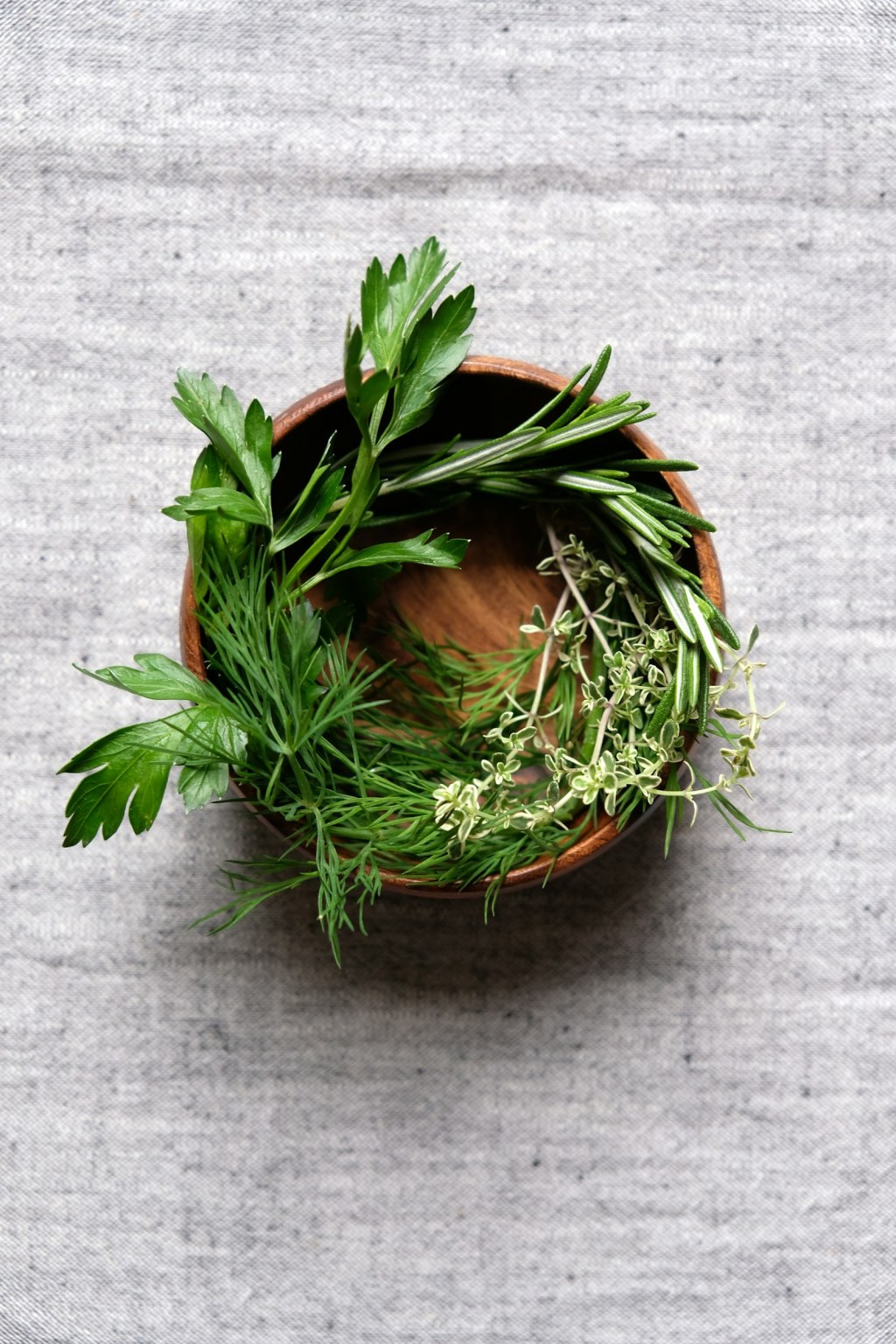
A notebook, because writing is the one tool every tradition shares. Candles, ideally plain ones in a few colours, because they are cheap and versatile. A heatproof bowl or dish. Salt. A few dried herbs you will actually use, such as rosemary, lavender, thyme and bay. A small bowl for water. A way to burn incense safely, whether charcoal, a stick or a diffuser. That is a kit for many months of work.
Beyond that, add things as a specific need comes up. If you are working with the moon, a simple calendar. If you are working with the tarot, one deck you like. If you are working with stones, start with two or three that you can name and describe, not a drawer of random ones.
Where to buy
In Australia, The Spiritual Toolbox is one place to find candles, herbs and ritual basics, and local markets, nurseries and florists will cover a lot of plant material. Many practitioners also buy from US suppliers. Mountain Rose Herbs is known for dried herbs and resins, Lucky Mojo for hoodoo and folk magic supplies, Sage Goddess for incense, candles and altar tools, and Mineralism for crystals and minerals.
Two practical cautions if you are ordering from the US. First, plant material, seeds and some natural products are restricted by Australian biosecurity, so read the Department of Agriculture’s import requirements before you order and expect delays or seizure of anything that does not comply. Second, shipping and duties can double the cost of a cheap item, so order in bulk if you can.
It is also worth asking where crystals and minerals come from. Mining practices vary widely, and a reputable supplier will tell you what they know about sourcing.
What to skip
You do not need a cauldron, an athame or a ritual robe to begin, and you do not need anything that is described as essential by someone selling it. Be wary of kits that bundle a lot of items for one price without explaining what each is for. If you cannot say what a tool does in your practice, leave it on the shelf.
Where the history comes in
Historical practice was far plainer than the modern shop aesthetic suggests. Collections like those at the Museum of Witchcraft and Magic show everyday objects, charms and domestic items used for folk magic, which gives a more grounded picture of what people actually kept in the house. The craft has always been practical.
The bottom line
You do not need tools to practise. You may want some, and there are good reasons to. Start with a notebook and one candle, pay attention to what helps, and let your list grow from use rather than from a shopping list. If you want a reading plan to go alongside it, the post on moon phases in witchcraft is a good first project to try with nothing but a window and a pen.


Leave a Reply